The landscape of private names
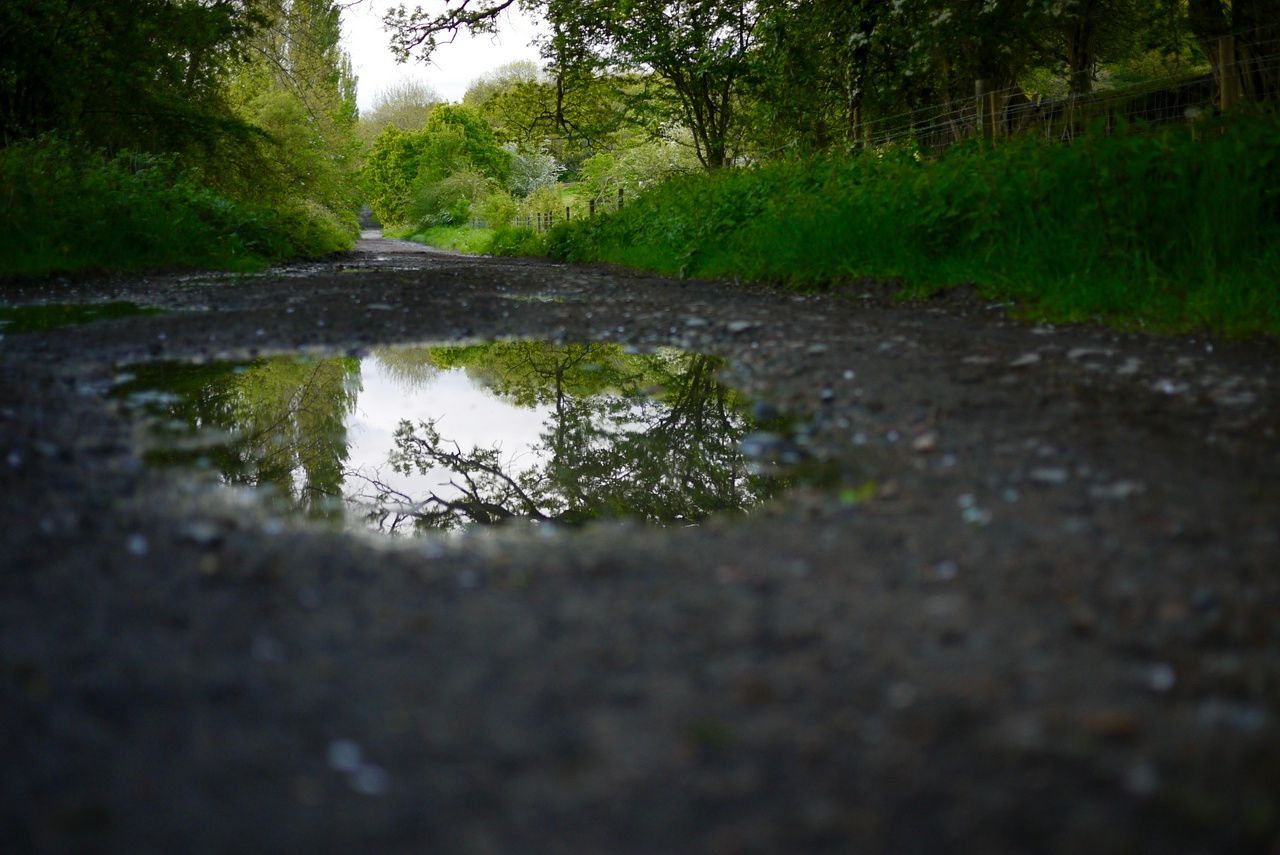
Pig Path. Blue Gate. Muddy Path. The prosaic names I gave to my childhood landscape embodied a world that no map could ever properly capture.
As a cartophile, I love what maps tell us about our past and present worlds: trace a finger along a contour and you can almost feel the shape of the land; follow the disused railways snaking their way across the grid and the ghost trains steam back to life. But maps will never tell the full story. And that’s because we define our personal landscapes from a young age using what rural historian Jeremy Burchardt calls private names.
Children give their own – often prosaic – names to the places around them. I still use many of the private names from my childhood. A track near my parents’ house will always be the Pig Path to me, even though the pig farm it led to has long since closed. Similarly, I call the field entrance near to their house the Blue Gate, even though it was replaced with one of another colour years ago.