Edgelands: neither here nor there
I’m no lover of cities, yet I'm drawn to edgelands – those transitional spaces that are neither urban nor rural.
Seek them out the edgelands and you’ll find, laid bare, the threads connecting our built and natural worlds.
Imagine you’re cycling along a path beside a windswept bypass, the frayed hem of the city. Maybe you cross at the lights, to avoid the underpass and its unwelcome carpet of broken glass. You follow the signs into a new housing estate and on to a narrow dead-end road. There are fields, the sort that host shipping-container storage or a solitary horse, and a few dog-walkers’ cars parked by the side of the lane. Then you realise where you are: the edgelands.
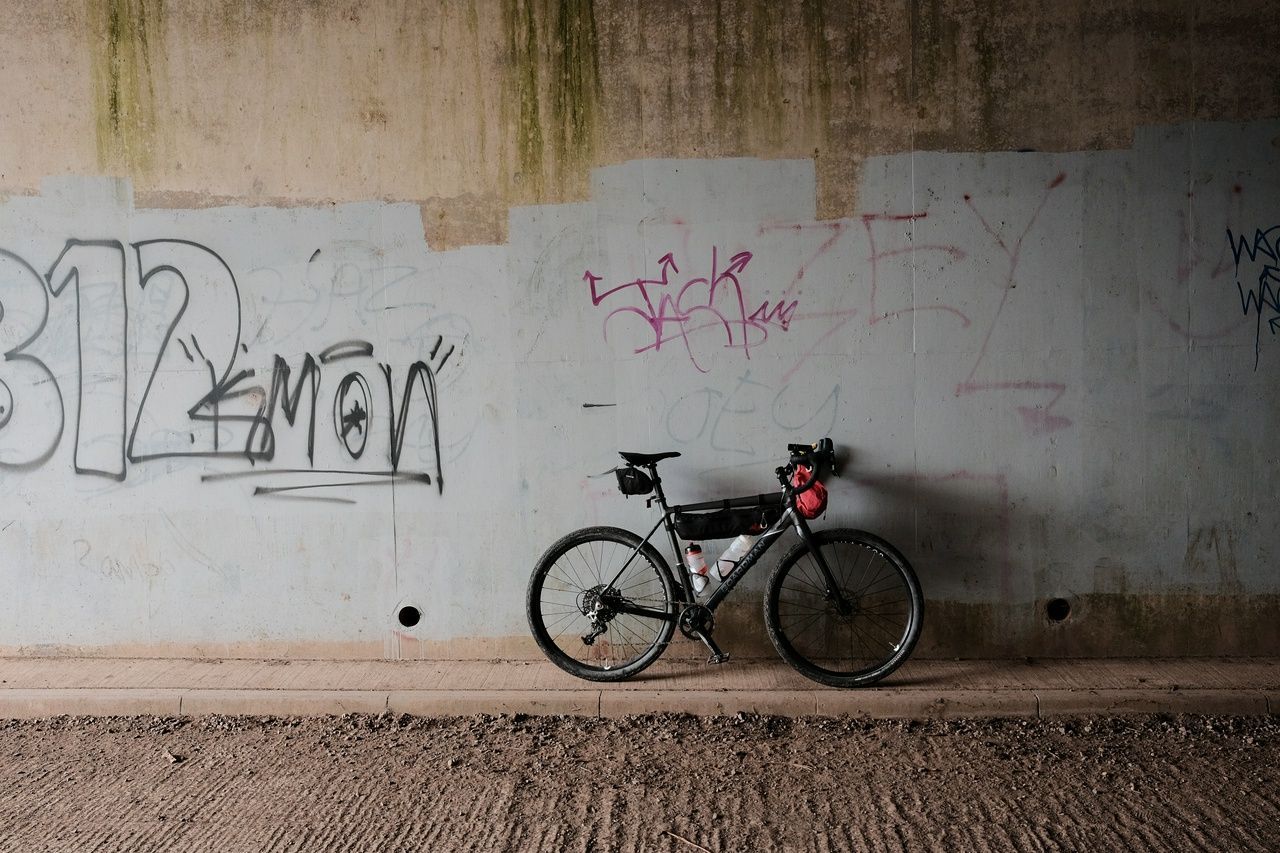
Abruptly, the road bends and dips to take you under a motorway bridge. It's raining now, so you stop to rest a while and see if it eases off, leaning your bike against the graffitied concrete wall while cars rumble overhead. Looking back, you see the uniform roofs of the estate, and beyond them the tip of a tall office building towards the city centre, the spire of a church. Ahead of you, a bridlepath snakes through farmland – a mixture of pasture and crops – before rising up a grassy hill.
I know this bridge. I'm sure that to many people it seems bleak, ugly. But to me it feels almost magical, like a portal between worlds, transporting me from the end of city cycle paths to the start of the rural trails beyond. It's a symbol of possibility for the ride ahead, the promise of a good day in the saddle. Indeed, architect Ignasi De Solà-Morales Rubio described edgelands, or terrain vague as he called them, as places of 'void, absence, yet also promise, the space of the possible, of expectation'.